AI App
 Astrology App
 Beauty Salon App
 Dating App
 E-Learning App
 Education App
 Ecommerce App
 Fintech App
 Food Delivery App
 Gaming App
 Grocery Delivery App
 Healthcare App
 Home Services App
 Hotel Booking App
 Ludo Game App
 Media Entertainment App
 OTT App
 Political App
 Pet Care App
 Real Estate App
 Taxi Booking App
 Travel App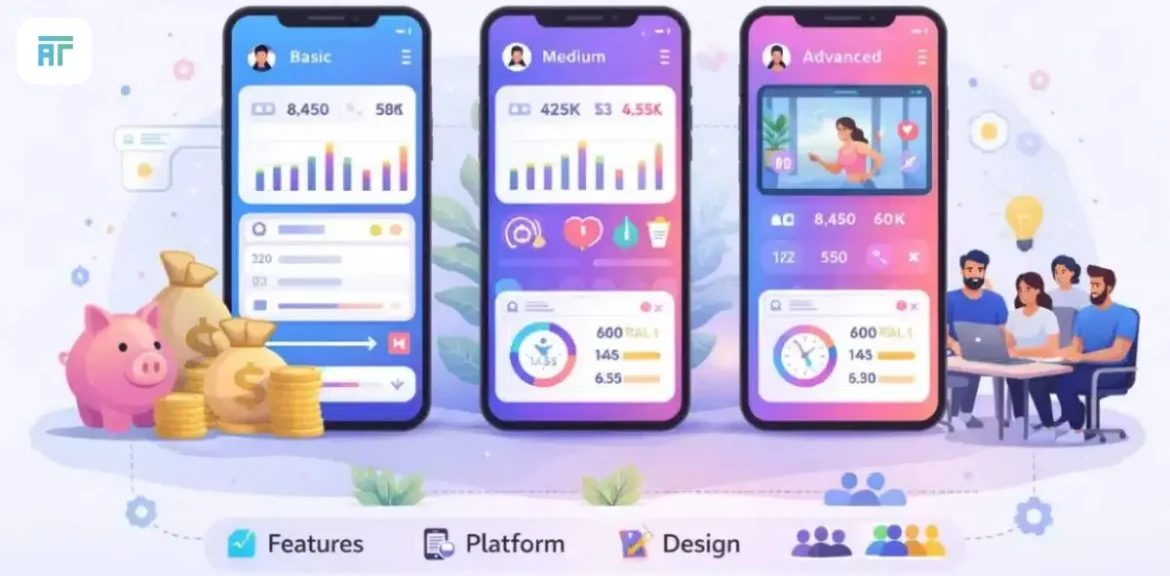

Fitness tracking apps now sit much closer to daily routine, preventive health, and habit-building than they did a few years ago. The market reflects that shift. The global fitness apps market is estimated at USD 12.12 billion in 2025, the global wearable technology market at USD 92.90 billion in 2025, and worldwide wearable device shipments reached 611.5 million units in 2025. Industry trend data points in the same direction, with wearable technology ranked as the top fitness trend for 2025 and mobile exercise apps ranked second. At the same time, nearly 31% of adults worldwide were still not meeting recommended activity levels in 2022, which keeps demand alive for products that can track movement, nudge consistency, and turn raw data into usable feedback.
For startups, fitness brands, coaching businesses, and health-focused platforms, this creates a clear product opportunity. A good tracking app can blend activity logging, wearable sync, progress summaries, subscriptions, and community features into a single product that people return to every day. That is why many founders now approach a fitness tracking app development company with a more serious product brief than a simple step counter. In practical terms, fitness tracking app development cost usually falls between ₹6,00,000 and ₹35,00,000+, depending on the number of platforms involved, the depth of wearable integration, the quality of analytics, and how far the app is expected to scale.
What makes a fitness tracking app popular?
Fitness tracking apps work when they make progress visible without making the user work for basic understanding. Activity totals, step counts, workout tracking, calories, heart-rate feedback, sleep summaries, and recovery indicators all help, but adoption usually grows when the app turns those inputs into daily guidance rather than static logs. People keep opening these apps because they want to see movement trends, stay accountable, and feel that a missed day or a better week is being reflected clearly inside the product.
The best app for fitness tracking is rarely built around a single metric. Current leaders combine activity visibility, wearable sync, progress summaries, awards, route maps, training insights, sleep signals, and community motivation. Group challenges, shared goals, routes, awards, personalised recommendations, heart-rate trends, and sleep scores have all become familiar parts of the category. That raises expectations for any new product entering the market. Users now expect the app to track, interpret, motivate, and connect.
Key factors influencing the cost of developing a fitness tracking app
1. Activity tracking engine and motion data logic
This is the core product layer. It covers steps, active minutes, calories, workout types, distance, pace, elevation, route capture, goal tracking, and weekly summaries. The cost rises when the app needs better accuracy across devices, more activity modes, outdoor route logic, and stronger insight layers. It also rises when the product is designed around guided targets, since many users judge progress against weekly movement goals that echo broader activity recommendations such as 150 minutes of moderate activity per week. A large share of the fitness tracking app development cost begins here because the app has to translate motion and workout data into something consistent, readable, and trustworthy.
2. UI/UX design and habit-building experience
Fitness products depend on repetition. The design must make daily tracking feel quick, clear, and worth revisiting. Goal rings, progress cards, workout history, trend graphs, reminders, awards, and streak cues all shape retention. A cluttered dashboard can push users away even when the data underneath is strong. The best-performing products keep the interface light, then surface depth gradually through summaries, personalised recommendations, and milestone-based feedback. That means the design work is not limited to screen polish. It also includes behaviour flow, habit logic, and the rhythm of daily use.
3. Platform selection: Android, iOS, watch, and web
Platform choice changes the budget quickly. A basic launch may start with Android or iOS only. A stronger release may include both mobile platforms, Apple Watch, Wear OS, and a web dashboard for reports or coaching access. Testing grows heavier when the product has to stay stable across phones, watches, and different health-data layers. A fitness tracking mobile app development company in Noida will usually recommend rollout based on user behaviour and device dependence, because a watch-led fitness product needs a different architecture from a phone-first activity app. This decision is harder to reverse later, which is why it affects planning early.
4. Wearable integration and health data sync
Wearable integration deserves its own cost section because it sits near the centre of this category. Apple HealthKit and Android Health Connect both support structured health and fitness data, but they also require specific permission design, data-type handling, and sync control. Users now expect steps, heart rate, sleep, workouts, and related signals to flow in without manual entry. Once watch pairing, historical imports, duplicate records, and sync conflicts enter the build, the engineering effort moves up fast. This area becomes even heavier when the app must unify phone tracking with watch data and maintain a clean record for the user.
5. Backend development and server architecture
The backend handles what users do not directly see but notice through every interaction. It stores workout history, challenge activity, subscription status, account settings, goals, notifications, reports, and sync logs. If the app includes social features, coach access, premium plans, or long-term trend analysis, backend scope expands quickly. Historical data storage also becomes important because fitness apps build value over time. A weak backend makes the product feel inconsistent even when the front end looks polished. Sync failures, delayed updates, broken progress charts, or duplicate workout entries can hurt trust very quickly in this category.
6. Technology stack
The stack has to fit the product model. A phone-first tracker can work well with cross-platform mobile development and a relatively lean backend. A wearable-led product, or one that includes coaching dashboards, premium analytics, and GPS routes, usually needs a heavier mix of native integration and scalable infrastructure. HealthKit, Health Connect, mapping tools, cloud storage, notification services, and analytics pipelines all shape the final setup. The important point is that health-data integration is not an afterthought. It becomes a direct architecture choice from the start.
| Area | Tools |
| Mobile App | Flutter / React Native / Native iOS / Native Android |
| Wearable Layer | HealthKit / WatchKit / Health Connect / Wear OS APIs |
| Backend | Node.js / NestJS / Firebase |
| Database | PostgreSQL / MongoDB / Firestore |
| Cloud | AWS / Google Cloud |
| Real-Time Notifications | WebSockets / Firebase Cloud Messaging |
| Maps and GPS | Google Maps / Mapbox |
7. Team structure and development cost
A basic product can begin with a compact team, but deeper builds need broader skill coverage. In most cases, the team includes a mobile developer, backend developer, designer, quality tester, and project manager. Once native watch support, advanced analytics, or subscription-heavy flows are added, specialist input becomes more important. The cost also rises when the app must support sensor-driven features, higher testing depth across devices, or richer premium modules. In Indian delivery terms, the difference between a lean MVP team and a team building a polished multi-platform product can be substantial, even before post-launch support enters the picture.
8. Feature complexity and premium modules
This is where budgets widen sharply. A basic tracker may stop at steps, workouts, goals, and summaries. A stronger product can add training plans, heart-rate-zone insights, sleep and recovery scoring, route maps, social groups, coach dashboards, nutrition logging, premium reports, and AI-based recommendations. Many of the better-known products now compete on guided plans, advanced insight layers, community loops, and subscription-only analytics rather than plain logging. That means feature decisions need discipline. Each additional module increases design time, data handling, testing effort, and retention expectations after launch.
9. Privacy, data permissions, and compliance handling
A fitness tracking app may not present itself as a medical product, but it still deals with highly personal data. Permission design, encrypted storage, access control, consent flow, sync settings, and third-party data boundaries are all real cost drivers here. Official guidance for HealthKit and Health Connect makes it clear that apps need fine-grained authorisation, data-type declarations, and user-facing controls for access and synchronisation. Products that handle this poorly can create trust problems even before they create technical ones. For a category built around daily personal data, privacy design is part of product quality, not a side task.
10. Payment, subscription, and monetization logic
A fitness tracking app can start off with a free version, but the paid features need to be well-defined right from the beginning. Premium reports, guided plans, coach access, paid challenges, and bundled memberships all change how the product behaves. Free trials, renewals, upgrades, expiry rules, and locked features must connect cleanly with user accounts and app permissions. Things become trickier when the business wants monthly plans, yearly plans, family access, and add-on purchases in one place. A fitness tracking app development company in India usually plans this early, because broken billing logic can confuse users, disrupt reporting, and create avoidable support issues after release itself.
Estimated cost breakdown to develop a fitness tracking app
The total budget changes with the depth of wearable sync, platform mix, feature set, and the amount of insight the product is expected to deliver from day one. A lean app aimed at daily activity tracking will sit at a different level from a subscription-led fitness platform with route maps, watch support, and premium analytics.
| Development Stage | Estimated Cost |
| Product Discovery and UX Planning | ₹75,000 to ₹2,00,000 |
| Core App Development | ₹2,50,000 to ₹8,00,000 |
| UI/UX and Dashboard Screens | ₹1,50,000 to ₹4,00,000 |
| Backend and Integrations | ₹2,00,000 to ₹8,00,000 |
| Wearable Sync and Health Data Layer | ₹1,50,000 to ₹6,00,000 |
| Testing and QA | ₹75,000 to ₹2,50,000 |
| Deployment and Launch | ₹25,000 to ₹1,00,000 |
| Total Estimated Cost | ₹6,00,000 to ₹35,00,000+ |
Cost based on app scope
Scope creates the biggest jump in pricing. The same category can range from a simple habit tracker to a deeper ecosystem that blends wearables, community, premium insight, and coaching.
| Version Type | Features | Cost Range |
| Basic MVP | Step count, manual activity logging, simple workout history, goals, reminders, basic dashboard | ₹6 to ₹10 lakh |
| Standard Fitness Tracking App | Wearable sync, GPS workout tracking, sleep insights, heart-rate data, social challenges, subscriptions | ₹12 to ₹22 lakh |
| Advanced Fitness Platform | AI recommendations, watch app, coaching plans, recovery insights, community layer, deep analytics, premium plans | ₹22 to ₹35+ lakh |
Post-launch and ongoing costs
Launch is not the end of the spend. Fitness apps continue to incur costs through cloud hosting, push notifications, map usage, analytics tooling, bug fixing, app-store maintenance, subscription management, and new releases across Android, iOS, and wearable environments. The burden climbs when the product stores long-term user history, handles route maps, syncs across several devices, or supports heavier premium logic. In most cases, post-launch spending falls between ₹50,000 and ₹3,00,000+ per month, depending on usage, integrations, and how aggressively the product is being improved after release. Official fitness platforms and wearable ecosystems also keep moving, which means compatibility work never fully disappears.
How to monetize a fitness tracking app?
A fitness tracking app can make money in a few practical ways:
- Free version with a paid upgrade
- Monthly or annual subscription
- Personal coaching plans
- Detailed reports and deeper performance insights
- Brand-led fitness programs
- Corporate wellness packages
- Affiliate tie-ups for devices or supplements
- Paid challenges or member groups
People usually spend when the app helps them read progress more clearly and stick with the routine longer. The paid layer tends to work better when it offers sharper insight, guided training, coach input, route-based tools, or fuller recovery feedback. Basic step counts and standard activity logs rarely give users enough reason to pay on their own.
How long does it take to develop a fitness tracking app
The timeline depends on feature depth, number of platforms, and how much work goes into watch sync, GPS accuracy, analytics, and premium flows. Wearable support and deeper reporting usually extend delivery faster than visual screen count alone.
| Complexity | Timeline |
| Basic MVP | 2 to 3 months |
| Standard App | 4 to 6 months |
| Advanced Platform | 6 to 9 months |
Essential panels and core feature architecture
A well-planned product is usually split across a few clear panels. The user panel covers the dashboard, goals, workouts, step count, calories, sleep, device sync, subscriptions, and profile settings. This is the surface the user interacts with every day, which means clarity matters a great deal.
A coach or trainer panel becomes useful when the app includes guided plans, progress review, messaging, or paid coaching. It allows program assignment, user check-ins, and plan-level monitoring without crowding the core user experience.
The admin panel manages users, offers, subscriptions, support actions, content blocks, challenge settings, and platform-level analytics. Behind all of these sits the backend system, which handles activity records, wearable sync, permissions, reports, payments, notifications, and analytics pipelines. Once the product includes social or premium elements, the architecture has to support a lot of interaction without making the experience feel heavy.
Cost optimization tips
- Keep the first version tight and useful. Start with core tracking features instead of trying to launch a full fitness ecosystem at once.
- Pick a narrow starting use case. Walking, running, or general daily activity usually gives the product a clearer first direction.
- Stay phone-first when watch support is not essential at launch. That keeps the build lighter and easier to control.
- Use HealthKit and Health Connect from the beginning rather than spending time on custom sync systems too early.
- Leave coaching, nutrition tools, and heavier social features for a later phase once user retention starts looking stable.
- Keep premium analytics limited in the first release. Deep reporting has little value when users have not yet built a steady usage habit.
- Use the MVP to confirm three things: the app tracks reliably, the progress view feels easy to understand, and users keep coming back.
- Add complexity after product behaviour becomes clear, not before. That usually protects both budget and development time.
Is it profitable to build a fitness tracking app?
Yes, it can be profitable, but the outcome depends on retention, subscription conversion, and how strongly the product fits into a user’s routine. The market backdrop remains attractive because fitness apps and wearables are both growing, wearable technology is still leading fitness trend rankings, and global inactivity levels remain high enough to keep demand for structured tracking and motivation tools alive. There is room in the category, but success depends on product clarity and repeat use. A tracking app that users open for a week and abandon will struggle, even in a strong market. A product that connects habit, insight, and premium value has a far better chance of building a stable business over time.
Why choose Astha Technologies for fitness tracking app development?
Astha Technologies is a strong fit for businesses planning a fitness product that has to feel clean, reliable, and easy to use from the first session. As a fitness tracking app development company, the team focuses on the parts that define the user experience in this category: clear dashboards, accurate activity flows, wearable sync handling, premium feature planning, and stable backend systems. The aim is to build products that feel simple in daily use without making the architecture shallow underneath.
Another advantage is the way Astha Technologies approaches scale. The team plans fitness apps with structured data handling, subscription-ready logic, and room for future modules such as coaching, community features, deeper analytics, or watch support. Post-launch updates, performance improvements, and scope control also remain part of the process, which helps clients move forward without losing sight of budget or product direction.
Conclusion
The final fitness tracking app development cost depends on what the product is expected to do beyond basic logging. Platform count, wearable integration, premium insight layers, subscription logic, and long-term data handling all affect the budget. Watch support and health-data sync can change the build more than many founders expect, which is why phased rollout usually works better than trying to ship everything at once.
A focused first release gives the product room to prove usage patterns, retention, and premium appetite before more money is committed. This approach keeps the build cleaner and the roadmap easier to manage. In a category shaped by routine, trust, and daily visibility, the right product team can make the difference between a fitness app that gets downloaded and a fitness app that becomes part of someone’s life.
Ready to Build a Custom AI-Powered App?
12M+
App Downloads
6 Months
Free App Maintance
20+
Industries Served
3 Months
Free Maintenance
×